The Unsung Heroes, Part One: Anaesthetists
A bleed during a bronchoscopy, a band and its sound engineer, and the colleagues who keep a child safe while the rest of us ask for “just another few seconds”.
The first person who needed calming down was me.
I had just performed a transbronchial cryobiopsy: passing a small probe through a bronchoscope into a child’s lung, freezing a fragment of tissue and pulling it out rather forcefully for examination. It can provide valuable answers. It can also cause significant bleeding.
On this occasion, it did.
My attention narrowed to blood appearing where I very much wanted to see an airway. Beside me, the anaesthetist was already dealing with the wider consequences of what I had done.
Before I had quite caught up, the child had another large-bore intravenous cannula, an arterial line, and ventilation and blood pressure were under control. While I concentrated on the mess I caused, someone else was ensuring that the child could withstand it.
The anaesthetist also found time to calm me down, just before I became a second patient. This was considerate, given that I had just substantially increased his workload.
The person at the sound desk
I sometimes think our working relationship resembles a band and its sound engineer. The singer stands in the spotlight, the guitarist takes a solo, and the drummer makes sure nobody misses her. Somewhere further back, the sound engineer is trying to make them sound good together.
The singer needs more voice in the monitor. The guitarist needs more guitar, a requirement largely independent of how much guitar is already available. Meanwhile, the engineer has to account for the room with the terrible acoustics, the inadequate equipment and the awkward fact that satisfying every musician individually will not necessarily produce something anyone wants to hear.
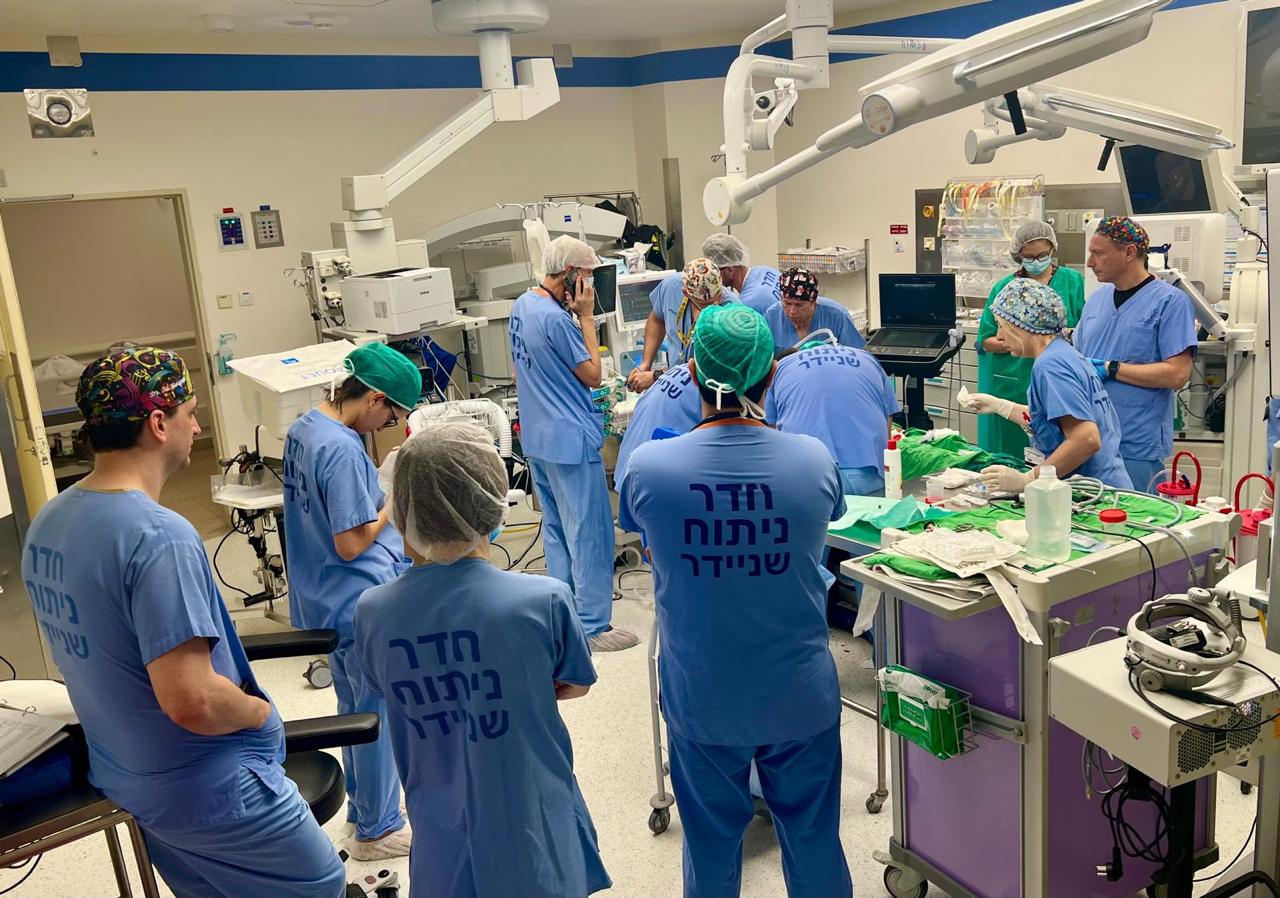
In our operating theatre, I need a clear view of the airway. My ENT colleague may need room to introduce another instrument. The gastro guy may want to access the oesophagus whilst we are fiddling in the airway. All of us would appreciate a child who remains still while continuing to breathe calmly if possible.
The anaesthetist receives these requests with varying degrees of enthusiasm.
Just another few seconds
In paediatric airway work, we and the anaesthetists share the very route through which the child needs to breathe, often with little reserve to spare. We need different depths of anaesthesia, spontaneous breathing, sometimes a view without the device keeping the airway open. What helps us see may make it harder to keep the child stable.
The child’s physiology is under no obligation to accommodate us. Yet when the view is good and the answer seems close, I can be remarkably persuasive about needing another few seconds. Our anaesthetists have heard my “nearly finished” often enough to apply an appropriate correction factor.
Meanwhile, the oxygen saturation monitor offers its own commentary, its falling pitch cutting through my concentration. The anaesthetist interprets it alongside the child’s illness, reserves, medication, circulation and breathing, judging whether an adjustment will let us finish or whether we need to withdraw and ventilate.
I am naturally fonder of the colleague who lets me continue. Listening graciously when someone tells me to stop remains a work in progress. It helps to have no doubt about the person saying it.
Knowing who is beside you
Our legendary former chief, who established the anaesthesia department, was someone you trusted instinctively. He was a warm visionary with extraordinary skills, a sharp eye and a temper that did not require a monitor to detect. He could recognise and remedy a problem while the rest of us were still assembling our understanding of it.
He could also shout. Occasionally, something would be thrown. He belonged to a generation of chiefs who brought their whole selves to the job, without much filtering. You knew what he thought, what he expected and where he stood. His commitment to a child was absolute, and if you were in trouble, he was in it with you until the end.
We now teach leaders to listen, weigh their words and make room for other voices. Those are real gains. But as we retire the old dinosaurs, are we equally deliberate about preserving their candour, their courage and their willingness to shoulder responsibility when things go wrong? Whatever else might be airborne, he knew exactly what was happening to the child, and he would be there beside you until the child was safe.
That shared responsibility is part of what he passed on. Today, we turn to our anaesthetists before a difficult case is even booked. We bring a child’s history and an ambitious plan; they ask the question we have overlooked, suggest another approach or work out how to make it possible. They take the problem on as their own.
Quite happy in the background
I have often wondered what makes someone choose anaesthesia.
Much of my satisfaction comes from knowing families over time, following a child’s progress and hearing what happened after the treatment we agreed on. Anaesthetists working in theatre often meet the family briefly, assume enormous responsibility, then hand the patient on without seeing much of what follows.
Perhaps some positively prefer this arrangement. There is a certain appeal to a specialty in which putting someone to sleep is considered a successful consultation.
I suspect the attraction lies partly in the immediacy: understanding physiology, anticipating change and making decisions whose effects appear within seconds. It takes vigilance when little seems to be happening and decisiveness when that changes. Their best work may leave the patient with almost nothing to remember. A crisis anticipated and prevented gives nobody much of a story to tell.
The procedure, meanwhile, gets a name, a report and a conversation with the family. Everything required to keep the child safe through it may be compressed into “tolerated well”.
Being happy to work behind the scenes should not mean going unmentioned when we tell the family how it went.
A little more than thank you
Families cannot be expected to appreciate work they never see and rarely hear described. Those of us who were in the room have less excuse.
When I speak to parents afterwards, I can name the anaesthetist and explain what their contribution involved. There are less eloquent ways to show appreciation, too. Staying back to help shlep the child back onto the bed, rather than deciding my work is finished the moment the bronchoscope comes out. Thanking a colleague without immediately asking for something in return. Accepting “we need to stop” without making them argue the child’s case twice.
My juniors will notice these things. They are learning how to perform a bronchoscopy, but also how to behave towards the people whose expertise they will depend on.
It is easy to become absorbed in what we managed to diagnose, remove or repair. For the parents waiting outside, success has a more immediate meaning: getting their child back safely. The person at the sound desk has kept the whole performance together. The least I can do is turn the spotlight towards them- and, for once, stop asking for more guitar.